

Artificial turf vs. Natural Grass: Which Is Best for Schools & Grounds?
Choosing the right green surface for schools and grounds is an important long-term decision. It impacts safety, maintenance cost, water usage, and overall appearance. Today, many institutions are comparing Artificial turf vs natural grass to find a more practical solution. Let’s break it down simply.
What Is Artificial turf?
artificial turf is an advanced version of grass which is durable and looks natural. It is perfect for school playgrounds, public grounds, gardens, and commercial landscapes. Unlike natural grass, which requires care and turns brown, artificial turf stays green year round and requires very minimal care.
Popular search terms used: artificial turf, artificial grass for schools, artificial grass for grounds.
What Is Natural Grass?
Natural grass is the grass that is grown in soil and taken care of by watering, mowing, fertilizing, and controlling weeds and pests. Although it offers a traditional look, all of this is highly dependent on the weather and the amount of work put in.
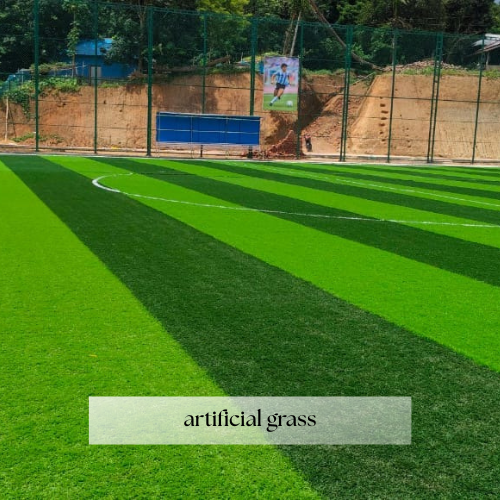
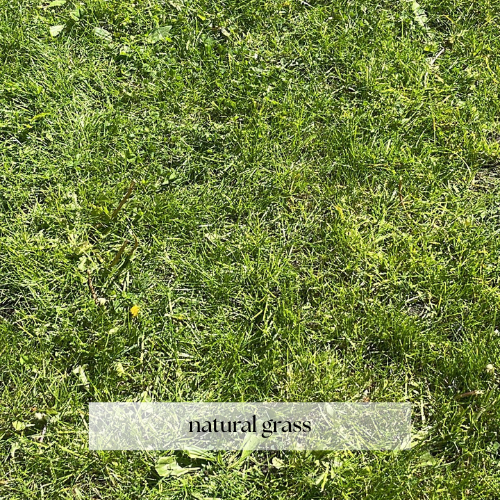
Artificial Turf vs Natural Grass: Key Differences
Maintenance
artificial turf wins maintenance by a lot. This is because artificial turf needs no watering, cutting, or fertilizing and natural grass needs all of this over and over again.
Winner: artificial turf
Cost Over Time
It may look like natural grass is the cheaper option, especially during the initial payment, but natural grass needs a lot of maintenance and care over and over again and this adds constant payments. Artificial turf is the better option as it has a one-time installation fee and needs no maintenance.
Winner: artificial turf (long-term)
Durability
Schools and play areas experience heavy foot traffic every day. Artificial artificial turf is designed for high-use areas, while natural grass often develops bald patches and mud.
Winner: artificial turf
Safety
For children’s play areas, safety is crucial. Artificial turf offers a flat, cushioned, mud-free surface, reducing the risk of slips and injuries. Natural grass can become uneven and slippery, especially during rains.
Winner: artificial turf
Water Usage
artificial turf requires zero watering, making it an eco-friendly option. Natural grass consumes large amounts of water throughout the year.
Winner: artificial turf
Which Is Better for Schools?
Play surfaces in schools require high safety standards and should be durable. Artificial grass for school playgrounds is a better option as it requires less maintenance and is usable on all seasons.
Which Is Better for Grounds?
Natural grass can be an option for decorative lawns. However, for play zones, walkways, and seating areas, artificial turf is much better as it is more practical. Many grounds today use a combination of both.
Why Choose artificial turf from SDA Impex?
SDA Impex provides premium artificial turf solutions in India, offering:
Natural look and feel
UV-resistant, durable fibers
Safe surfaces for children
Professional installation and support
Conclusion
In the comparison between artificial turf and natural grass, artificial turf wins for school environments and busy play areas. It is economically priced, safe, water conserving, maintenance free and ready for the future.
Our team is happy to provide guidance on choosing the best grass and the necessary professional installation, if you plan on improving your outdoor space.
If you’re planning to upgrade your outdoor area, our team is always happy to guide you with the right grass selection and professional installation support.
Explore our artificial turf solutions at sdaimpex.com